
Jólan van der Wiel's Gravity Stools


‘I wanted to demonstrate that we are able to utilise and exploit the things which already exist everywhere around us, and by doing so capture the invisible natural power in a material form. These are the kinds of techniques I can imagine exploiting further in other methods of production and in the quest for shapes within these processes.’
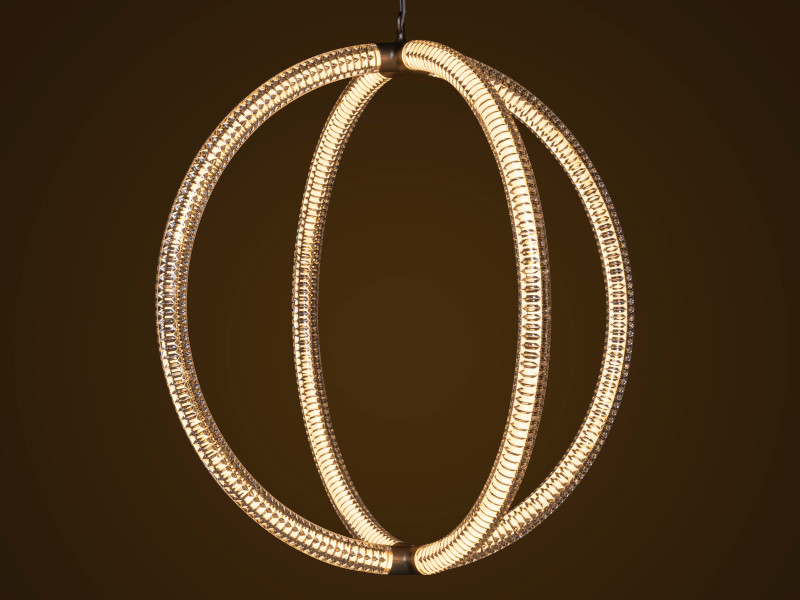
With his products called the Gravity Stool (there’s also a Gravity Bowl and a chandelier) van der Wiel’s intention was to try to set two of the Earth’s powerful unseen forces against each other – gravity and magnetism – to create a functional piece of furniture. There was no machine available that would let him do this, so he set about building his own Heath-Robinsonesque contraption, that looks essentially like a printing press with some enormous magnets attached to it.
 ‘My aim was to explore and visualise what was already there, but invisibly,’ says van der Wiel. ‘Gravity’s a force with a strong shaping effect and I intended to manipulate this using magnetism. As an invisible but omnipresent power, gravity offers the possibility of manifesting itself visually in the material. From the project’s beginning, I intended to take a step back and let the natural phenomenon itself determine the final shape of the object. My role as a designer should be nothing but a supporting one, determining only the conditions under which the object could take shape.’
Two of the key factors that van der Wiel controls are the material and the magnets (the number and power) he uses. Essentially, three sets of separate magnets means three legs. He mixes the iron and plastic together in a bowl then lowers the magnets towards the mixture before raising them up again pulling the legs up with it. The consistency of the mixture and especially the power of the magnets affect how long the legs can be.
‘My aim was to explore and visualise what was already there, but invisibly,’ says van der Wiel. ‘Gravity’s a force with a strong shaping effect and I intended to manipulate this using magnetism. As an invisible but omnipresent power, gravity offers the possibility of manifesting itself visually in the material. From the project’s beginning, I intended to take a step back and let the natural phenomenon itself determine the final shape of the object. My role as a designer should be nothing but a supporting one, determining only the conditions under which the object could take shape.’
Two of the key factors that van der Wiel controls are the material and the magnets (the number and power) he uses. Essentially, three sets of separate magnets means three legs. He mixes the iron and plastic together in a bowl then lowers the magnets towards the mixture before raising them up again pulling the legs up with it. The consistency of the mixture and especially the power of the magnets affect how long the legs can be.